
How Often Should I Go to the Dentist for a Check-up?
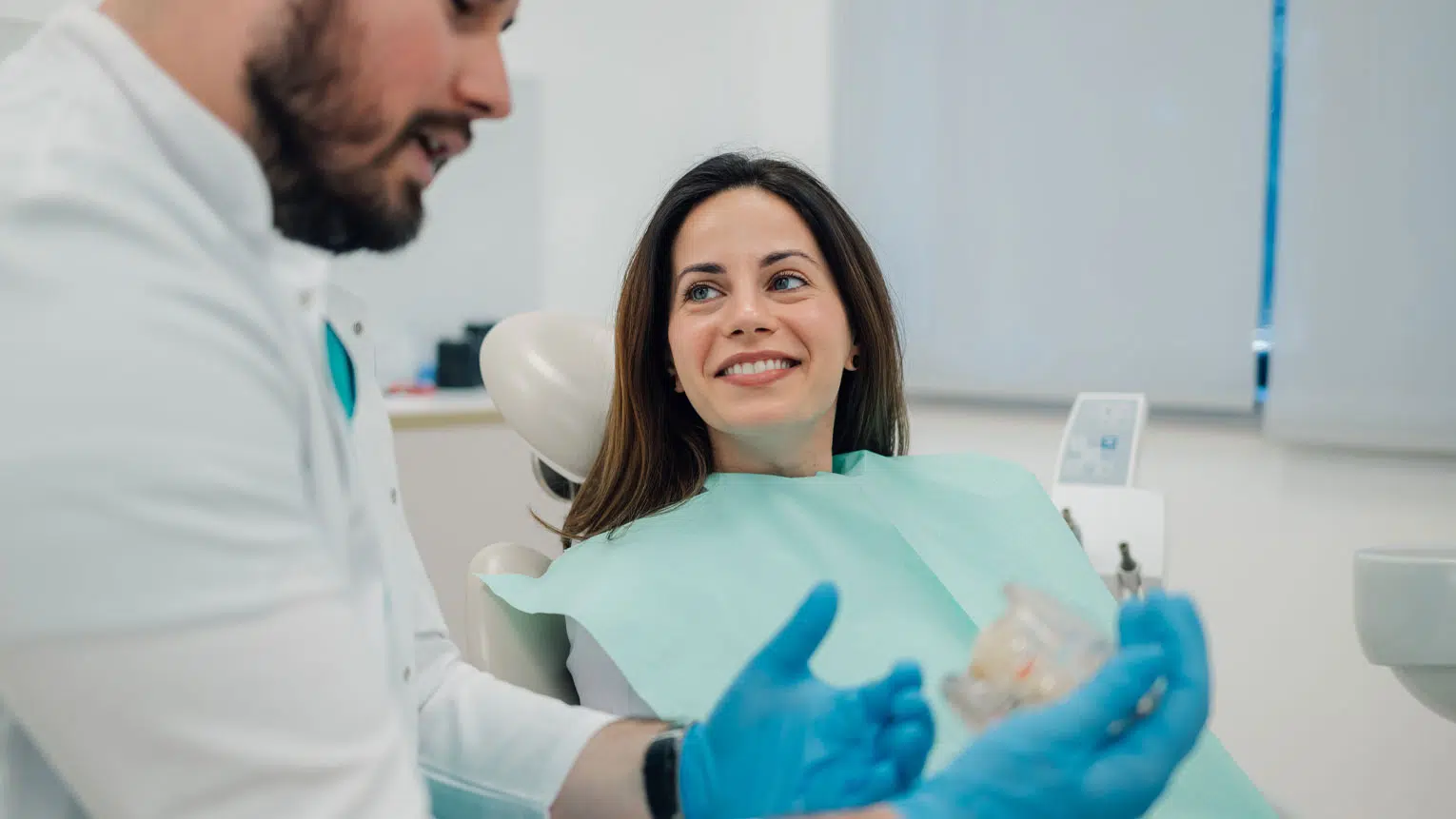




Most people wonder how often they should go to the dentist, but the answer isn’t the same for everyone. The traditional six-month rule doesn’t apply to all patients.
We at A Dental Place see patients with vastly different oral health needs. Your ideal visit frequency depends on your risk factors, age, and current dental condition.
What Do Standard Guidelines Really Say About Check-up Frequency
The famous six-month rule traces back to a 1950s toothpaste advertisement, not scientific research. This marketing slogan became dental gospel despite lacking solid evidence. The American Dental Association takes a different stance and recommends visits based on individual risk factors rather than a blanket timeline. According to CDC data, 86.9% of children aged 2-17 visited a dentist in 2019, while only 65.5% of adults aged 18-64 managed annual visits. These statistics reveal a troubling gap in adult dental care compliance.
Individual Risk Assessment Trumps Universal Rules
Your visit frequency should align with your specific risk profile, not outdated marketing messages. High sugar consumption, smoking, diabetes, pregnancy, and weakened immune systems all accelerate dental problems. Adults with good oral hygiene and low disease risk may extend visits to 18-24 months safely, while those with gum disease history need quarterly appointments.
Age-Specific Timing Makes the Difference
Children require their first dental visit by age one or when the first tooth appears, according to the American Academy of Pediatric Dentistry. Adults over 65 face increased oral health risks and benefit from more frequent monitoring. Pregnant women need additional visits due to hormonal changes that affect gum health. Your dentist’s clinical judgment remains the gold standard for determining your personal schedule.
Understanding these guidelines helps you make informed decisions, but recognizing when symptoms demand immediate attention becomes equally important for maintaining optimal oral health.
Who Needs More or Fewer Dental Visits
High-Risk Patients Need Quarterly Appointments
Smokers must schedule dental check-ups every three months because tobacco use causes gum disease and other oral health problems according to the CDC. Diabetic patients face similar frequency requirements since blood sugar fluctuations accelerate bacterial growth and slow healing processes. Pregnant women should book visits every trimester due to hormonal changes that cause pregnancy gingivitis in 60-70% of expectant mothers.
People with weakened immune systems from cancer treatment or autoimmune conditions need quarterly monitoring because their bodies cannot fight oral infections effectively. Adults with existing gum disease history require professional cleanings every 90 days to prevent recurrence and tooth loss.
Low-Risk Adults Can Extend Visit Intervals
Patients with excellent oral hygiene, no cavities in five years, and healthy gums can safely stretch appointments to 12-18 months. Research from the British Medical Journal found that extending intervals to 24 months showed no significant increase in dental problems for low-risk adults. Non-smokers with stable health conditions and consistent home care routines benefit from annual visits rather than biannual appointments.
Age-Specific Frequency Adjustments
Children with strong teeth and proper fluoride exposure may need visits only once yearly after age 10. Seniors with well-maintained dental work and good oral health can often reduce frequency to annual check-ups unless new medical conditions develop.
Your dentist should evaluate your risk factors annually to adjust scheduling appropriately. However, certain warning signs between regular visits demand immediate professional attention regardless of your scheduled appointment timeline.
When Warning Signs Demand Immediate Attention
Persistent Pain Requires Urgent Care
Tooth pain that lasts more than 24 hours signals serious problems that worsen without professional intervention. Sharp, throbbing pain when you bite down indicates potential tooth fractures or deep decay that reaches the nerve. Constant aches that disrupt sleep point to infections that can spread to surrounding tissues and become life-threatening. Research shows that early cavities can progress to more serious conditions, which makes prompt treatment essential for tooth preservation.
Swollen gums that bleed during normal brushing reveal active gum disease that requires immediate professional cleaning. Red, tender gums around specific teeth often indicate localized infections that antibiotics alone cannot resolve. Pus discharge from gums signals advanced periodontal disease that destroys bone supporting teeth if left untreated.
Sudden Oral Health Changes
Temperature sensitivity that develops suddenly indicates enamel damage or exposed tooth roots that require immediate evaluation. Hot and cold sensitivity that lasts more than a few seconds after you remove the stimulus suggests nerve damage that needs urgent care. Loose teeth in adults always require emergency assessment since healthy adult teeth should never move.
Bad breath that persists despite improved oral hygiene often signals hidden decay or gum pockets that harbor bacteria. White or red patches on tongue, cheeks, or gums can indicate oral cancer that requires immediate biopsy and treatment. Jaw pain, clicking sounds, or difficulty opening your mouth fully suggests temporomandibular joint problems that worsen without intervention.
Emergency Situations Need Same-Day Treatment
Knocked-out teeth require immediate professional attention for the best chance of successful reimplantation. Severe facial swelling that affects your ability to swallow or breathe constitutes a dental emergency that requires hospital-level care. Uncontrolled bleeding from mouth injuries needs immediate professional attention to prevent complications.
Broken teeth with sharp edges can cut your tongue and cheeks, creating additional wounds that become infected. Lost fillings or crowns expose sensitive tooth structures to bacteria and temperature changes that cause severe pain.
Final Thoughts
The question “how often should I go to the dentist” lacks a universal answer because your oral health needs differ from others. Most adults benefit from annual visits, while high-risk patients need quarterly appointments and low-risk individuals may extend visits to 18-24 months safely. Your dentist’s personalized recommendations matter more than generic guidelines.
Professional evaluations assess your risk factors, medical history, and current oral health to create an optimal schedule. This approach prevents minor issues from becoming expensive emergencies. Early detection saves money by catching problems before they require complex treatments (professional cleanings remove tartar that home brushing cannot eliminate).
We at A Dental Place provide comprehensive evaluations to determine your ideal visit frequency based on your specific needs. Our personalized approach combines preventative care with technology to maintain your oral health effectively. Consistent dental visits protect both your smile and overall health, making them one of the smartest investments you can make.
Meet the Author

Dr. Robin Castro
Dr. Castro is a trusted provider of general, cosmetic, and endodontic dental care, proudly serving the Lombard community.
Meet Dr. CastroRelated Posts
How Often Should I Go to the Dentist for a Check-up?
Tooth decay is one of the most common dental issues affecting people of all ages, but the good news is that it’s largely preventable. According to the Centers for Disease Control and Prevention (CDC), nearly 26% of adults in the United States…

How Often Should I Go to the Dentist for a Check-up?
Maintaining your oral health is not just about having a beautiful smile—it’s also essential for your overall well-being. Preventive dental care plays a crucial role in ensuring your teeth and gums stay healthy, helping you avoid more complex and costly treatments down…
How Often Should I Go to the Dentist for a Check-up?
Maintaining a bright, healthy smile requires more than just daily brushing and flossing. Professional teeth cleaning is essential for removing plaque and tartar that daily hygiene routines might miss. At A Dental Place, we’re committed to helping you achieve your best oral…
